
For private jet owners, partnering with an aircraft management company is a logical step toward protecting a multi-million-dollar Gulfstream G650ER or Bombardier Global 7500. These management firms provide necessary operational supervision, from hiring qualified crew members and scheduling maintenance to handling complex regulatory compliance and flight dispatch logistics. They transform a highly regulated, logistically dense machine into a seamless turnkey luxury.
However, aircraft owners frequently overlook a fundamental reality: aircraft management companies are “for-profit” businesses. While they act as stewards of your asset, their primary financial obligation is to their own bottom line, not yours.
Because the aviation industry lacks standardization in billing practices, failing to strictly monitor management charges can quietly and quickly drain an owner’s piggy bank.
Think about this…a Gulfstream G650ER or Gulfstream G700 annual operating budget can easily reach into the $4-5 Million range. Bombardier Global 7500’s and 6500’s occupy a very similar financial space.
The Conflict of Interest in “Pass-Through” Costs
Many management contracts are structured around a fixed monthly management fee alongside “pass-through” operational costs. In theory, pass-through costs mean the owner pays exactly what the service costs, often benefiting from the management company’s fleet-wide volume discounts on fuel, insurance, and pilot training.
In practice, the lines are often blurred. Some management companies pad these costs with hidden markups, administrative fees, or retained vendor rebates. For example, a management company might negotiate a steep volume discount on fuel or maintenance parts from a Fixed-Base Operator (FBO) or repair station. Instead of passing those savings entirely to the jet owner, the management firm may pocket the difference as an undisclosed rebate or apply a “handling fee” to the invoice. Without regular, detailed auditing, owners end up paying retail prices while the management firm captures the wholesale margin.
Where the Extra Fees Hide
Unmonitored invoices are breeding grounds for duplicate billing and unnecessary markups. Owners who do not audit their monthly statements regularly overpay in several key areas:
- Crew Expenses: Hotel stays, meals, and ground transportation for pilots are easily inflated or duplicated across different owner flights if the crew flies for multiple clients.
- Maintenance Markups: It is common practice for management companies to add a percentage fee (often 5% to 15%) to third-party maintenance invoices for “supervising” the repair work.
- Charter Revenue Splitting: If an owner places their aircraft on the management company’s charter certificate to generate revenue, the split of that revenue requires close scrutiny. Ancillary fees charged to charter clients—such as cleaning fees or international handling—can be manipulated to reduce the owner’s net payout.
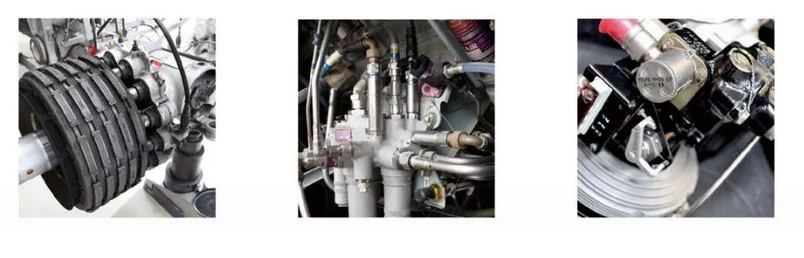
Brakes on a ULR bizjet can cost hundreds of thousands of dollars
The Power of the Independent Audit
Because the private aviation world is built on a complex web of dynamic variables, tracking these expenses requires specialized knowledge. A standard corporate accountant rarely understands the true market cost of a Gulfstream engine inspection or a cross-country fuel burn…or a long-stay ramp charge at Hong Kong’s Chek Lap Kok private jet terminal !
To safeguard their investment, owners should establish a rigorous oversight system. This includes demanding line-item transparency on all monthly statements and securing the contractual right to audit the management company’s books.
Hiring an independent, third-party aviation auditor once or twice a year is often the most cost-effective solution. These specialists know exactly where markups hide and can cross-reference invoices with direct vendor receipts to ensure contract compliance.
Balancing Trust and Accountability
Monitoring your management company is not an act of distrust; it is a standard fiduciary practice. A reputable management company will welcome transparency because it validates their efficiency and honesty.
Ultimately, private jet management companies provide indispensable services that keep aircraft safe and operationally ready. But owners must remember that convenience comes at a price—and left unchecked, that price will always favor the service provider.
This is especially true if the owner’s management company is “parented” by a private equity holding company. There’s a very good reason why a large percentage of today’s bizjet management companies have been “hooked” by private equity…follow the money !
By implementing strict financial oversight, owners can enjoy the unmatched benefits of private flight without quietly subsidizing the profit margins of management companies and their “PE” parents.