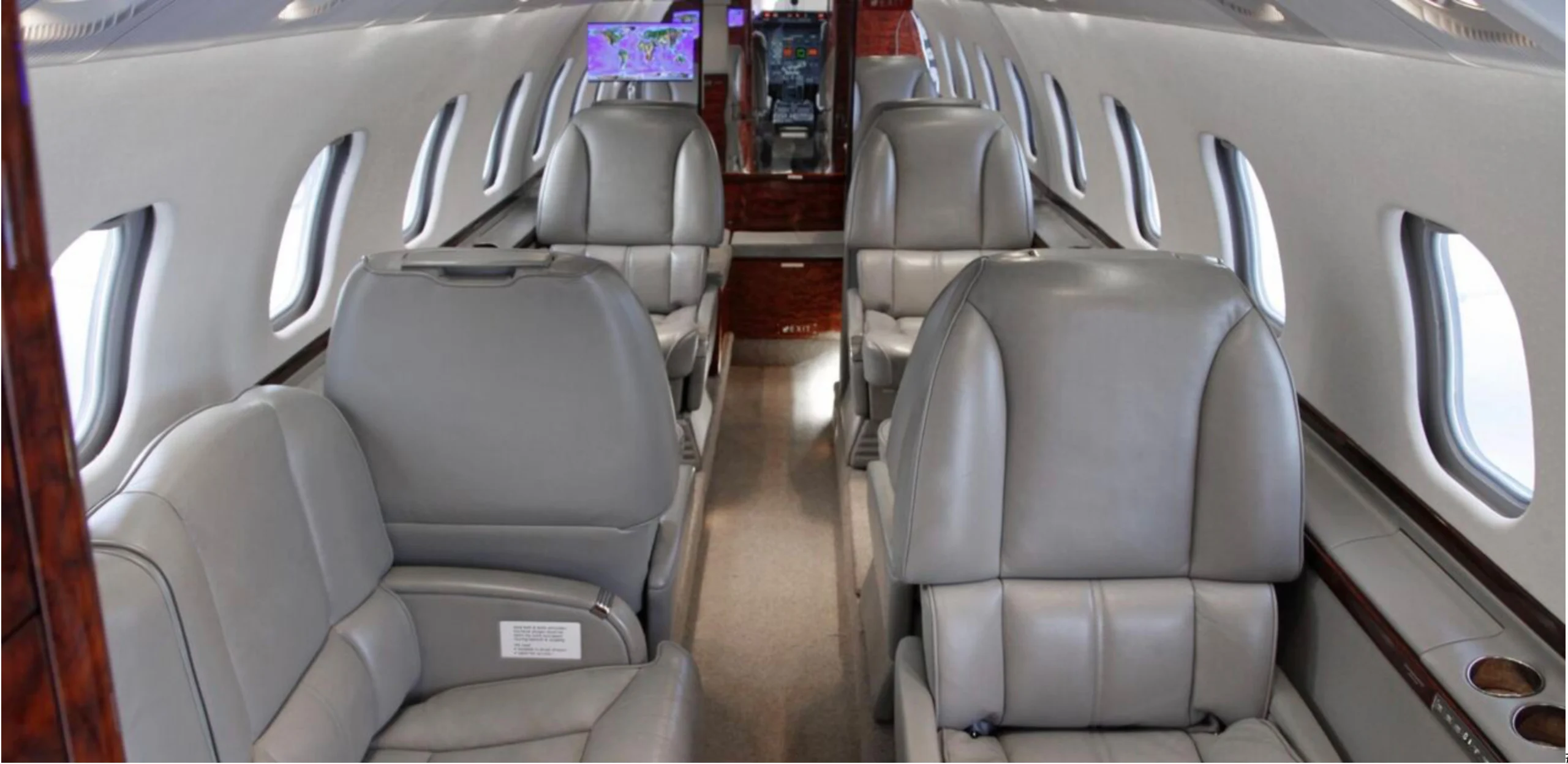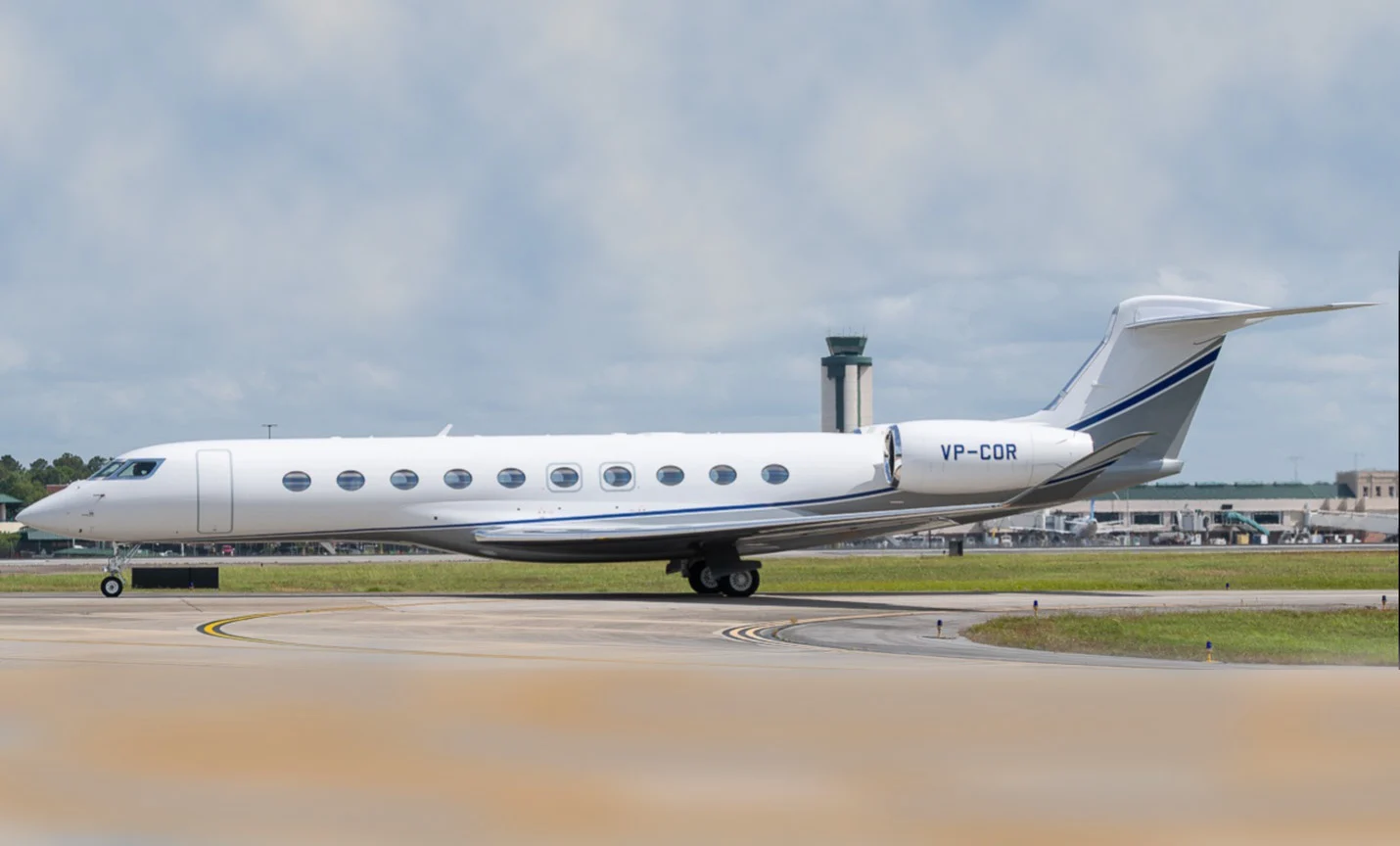
Not too long ago, Aviatrade was retained to sell a Gulfstream G650 on behalf of an overseas client.
The G650 was brought into the US at the behest of the buyer, but no actual commitment to acquire the aircraft was made until the G650 arrived at the buyer’s private hangar. We did have it on good authority that the deal would proceed (and Aviatrade had a backup buyer in the US).
Hence, the usual US inbound customs process was delayed until just before the closing (per advice from the appointed customs broker, in case the sale was not agreed).
The technical/logistics aspects of the sale went smoothly, then came time to move the G650 to the closing location (Appleton Wisconsin, selected by the buyer and agreed to).
We (seller) informed the buyer that the required import customs procedure would be accomplished, prior to arrival in Appleton, in Bermuda. The aircraft would continue on to Appleton after the customs stop (a paperwork formality).
At this point, buyer’s in-house counsel to seller (we nicknamed him “Clueless”) protested that a stop in Bermuda would expose the G650 to a serious threat of a birdstrike (Clueless had “heard of this threat” from some anonymous source). No amount of remonstration could dissuade this ornithological legal expert that a bird strike was no greater threat in Bermuda than any other water-approximate location…(the aircraft had been in Savannah GA for it’s entire inspection/test flight duration!)
The mere fact that ownership and responsibility for any unfortunate bird strike involving the G650 would not pass to the buyer until after the aircraft landed in Appleton for the closing, didn’t seem to move “Clueless’s” needle.
With the closing clock now running, Aviatrade then proposed Toronto Pearson airport (Canada) as the customs interim stop. This location seemed to alleviate “Clueless’s” concerns and we did in fact strike Toronto a glancing blow on the way to Appleton.
Now here’s the kicker…and for those unfamiliar; Toronto sits adjacent to the northern side of LakeOntario…clearly“Clueless” had never heard of Canada Geese ! LOL
The Preferred Bizjet Transaction Leadership Structure & Responsibilities
To use a parallel drawn from Aviatrade’s fighter pilot heritage;
While legal counsel (of the aviation variety) is absolutely critical for drafting and protective agreement oversight, putting a lawyer in the cockpit of a transaction frequently steers it off course.
The primary reasons to keep experienced brokers or consultants (rather than lawyers) as the “deal pilots” include:
1. Risk Aversion Trumps Commercial Reality;
- Deal Paralysis: Lawyers are trained to spot and eliminate every theoretical risk. In aviation, this hyper-fixation on absolute liability protection can result in endless contract markups over minor points, thereby exhausting the counterparty and stalling the deal.
- Lack of Momentum: Business jet transactions move on tight timelines dictated by such aspects as market availability, inspection facility slots, calendar deadlines, etc. A lawyer controlling the timeline can easily miss these critical windows by over-negotiating standard clauses.
2. Lack Aviation-Specific Nuance;
- Mismatched Expertise: Even a trained aviation lawyer rarely understands the highly technical and idiosyncratic world of bizjets.
- Misinterpreting Standards: Aviation deals have unique conventions regarding pre-purchase inspections (PPI), airworthiness directives (ADs), and “discrepancy” rectifications. A non-aviation lawyer often tries to apply standard equipment purchase logic to a complex aircraft, leading to unreasonable demands that alienate the seller.
3. Structural Misalignment of Goals
- Brokers and Consultants focus on execution: A specialized aircraft broker’s reputation and compensation depend on successfully and safely closing a fair deal.
- Lawyers focus on protection: A lawyer is incentivized to ensure absolutely nothing can go wrong post-closing. If a deal dies because the lawyer was “protecting” the client from a standard industry risk, the lawyer rarely faces negative consequences.
The Ideal Division of Labor
To successfully cross the finish line, successful acquisitions utilize a clear chain of command;
- The Principal or Broker (The Pilot): Sets the commercial terms, manages the relationship with the counterparty, handles the technical milestones (like inspections), and dictates the pace of the deal.
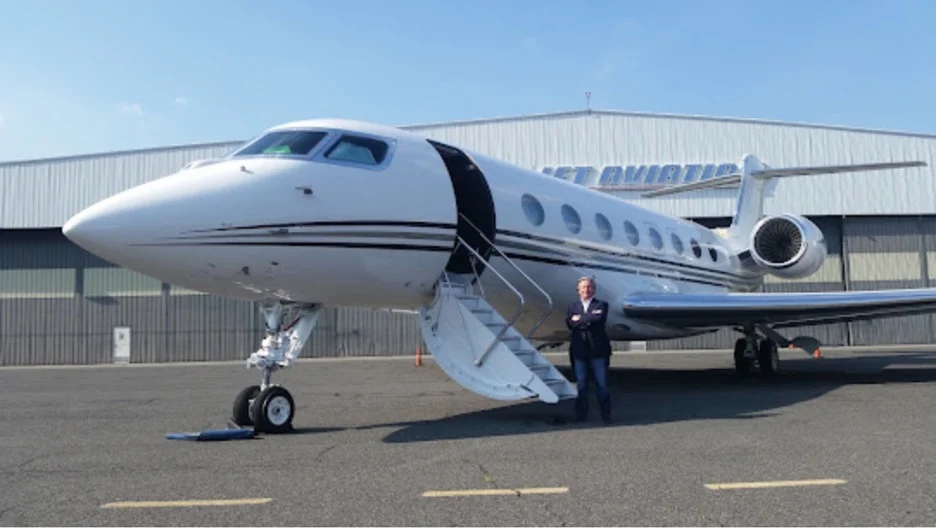
- The Aviation Attorney (The Navigator): Reviews the structural contracts (Letters of Intent, Aircraft Purchase Agreements), ensures clean title transfer via the FAA and International Registry (Cape Town Treaty), and advises on tax structuring without countermanding the commercial agreements made by the captain.
- The Expert Inspector (Lead Crew Member): A key member of the buyer’s immediate team, the inspector will handle the task of examining the aircraft records. This is a partial forensic exercise which is geared towards “what is NOT in the records”. The records are inspected preferably prior to any LOI being submitted. At the latest, the records are inspected prior to the APA signing and the initiation of any pre-agreed prepurchase inspection.
There’s more to the acquisition team than outlined above…more on this in a following blog !