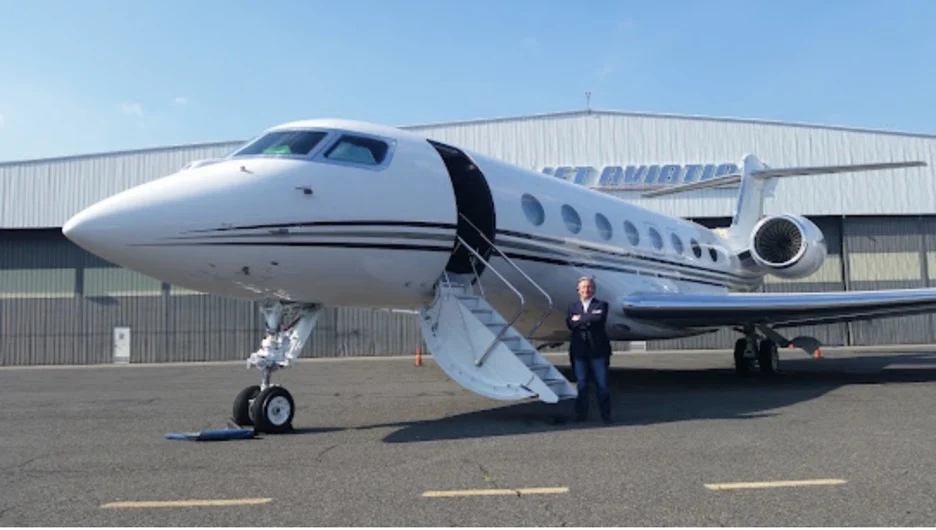
Gulfstream G650 Exclusively Represented by Aviatrade
In the rarefied air of ultra-long-range (ULR) business aviation, selling a private jet is by no means comparable to (say) selling a multi-million dollar home. When dealing with assets like the Gulfstream G700 or Bombardier Global 7500—which routinely command price tags upwards of $70-80 million—the traditional rules of volume-based marketing do not apply.
A common misconception among aircraft owners is that by informing multiple brokers about an aircraft’s availability for sale creates more buyer opportunities. The logic seems intuitive: more nets in the water should yield more fish. In the high-end ULR market, however, this strategy backfires. It leads to fragmented messaging, eroded asset value, and market confusion. For these elite aircraft, securing exclusive representation from a single, capable agent is the only effective way to protect asset value and execute a successful transaction.
The Illusion of the Multi-Broker Advantage
Because there is no centralized Multiple Listing Service (MLS) for private aviation like there is in residential real estate, information flows through a tight-knit network of industry professionals, buyers’ /sellers’ mandates, and specialized listing services (open only to recognized brokers/dealers).
If multiple brokers discuss the same aircraft with various prospects, discrepancies inevitably emerge. One broker may list the aircraft at a firm price, while another, eager to chase a commission, might hint at a lower, non-authorized figure to test buyer interest. This fragmented positioning immediately signals (wrongly) seller distress or lack of control. Sophisticated buyers and their advisors spot these inconsistencies instantly, interpreting them as an invitation to aggressively lowball the offer.
Resolving the Authenticity Crisis
In aviation transactions, authority is paramount. When an asset is shopped around by multiple parties, the market begins to question who actually holds the mandate to sell the aircraft.
Consequently, this confusion dilutes the exclusivity of the asset. Buyers are hesitant to invest time and money into due diligence and beyond if they are unsure whether they are dealing with the true representative of the principal.
Exclusive representation eliminates this ambiguity. It establishes a single, authoritative voice that handles all inquiries, manages data dissemination and most importantly, maintains absolute control over the aircraft’s narrative.
The Reality of a Finite Market
The need for a single, unified message is driven by the remarkably small size of the ULR ecosystem. Unlike the housing market, where thousands of prospective buyers exist at any given time, the global pool of qualified buyers for a late-model Gulfstream or Global jet is incredibly finite. This group consists of ultra-high-net-worth individuals (UHNW’s), sovereign/government entities, and Fortune listed corporate flight departments.
Because this community is so small, everyone talks to everyone. A buyer’s representative looking for a Global 7500 will quickly realize if the same aircraft is being peddled by three different agents. Instead of creating healthy competition, multi-broker listings make the asset look shopped out and stale. Exclusive representation ensures that this finite pool of buyers receives a highly controlled, premium presentation that reflects the true value and prestige of the aircraft.
Safeguarding the Off-Market, Confidential Sale
The importance of exclusivity becomes even more critical during off-market transactions. A significant portion of ULR jet sales occur completely under the radar to ensure confidentiality.
Confidentiality is impossible to maintain without an exclusive mandate. In a multi-broker free-for-all scenario, unvetted information inevitably leaks and specification sheets are scattered like confetti at a wedding. Once a serial number or perhaps a specific cabin configuration becomes public knowledge (very easy, thanks to AI !), the seller’s leverage evaporates. An exclusive broker acts as a strict gatekeeper, requiring verified Know Your Customer (KYC) documentation and signed Non-Disclosure Agreements (NDAs) before disclosing any sensitive aircraft data. This structured approach preserves the seller’s privacy while maintaining an aura of scarcity around the asset.
One cautionary note; an off-market sale process does not necessarily guarantee a fair price to a buyer. In fact, sometimes quite the opposite, especially if the ULR aircraft in question is in high demand.
The Strategic Value of Single Accountability
Ultimately, exclusive representation aligns the broker’s incentives with the owner’s financial interests. When a brokerage knows it has the exclusive right to sell an asset, it invests significant capital up front into high-end marketing and targeted outreach. Conversely, non-exclusive brokers are incentivized to close the deal as fast as possible—often at a lower price—simply to beat their competitors to the finish line.
By choosing a single, highly capable representative, an aircraft owner ensures that their multi-million-dollar asset is positioned with the precision and strategic focus required at the absolute pinnacle of the bizjet world.